
Corbis Intelligence
Research and Insights
Commercial real estate intelligence grounded in academic research, real economic data, and the agent systems behind Corbis and EQUIRE.
Search articles by title, content, or tags...

Commercial real estate intelligence grounded in academic research, real economic data, and the agent systems behind Corbis and EQUIRE.


Agentic Assets Research Team
Corbis Research
July 2, 2026
8 min read read
On July 1, 2026, Cloudflare published Content Independence Day, one year on and announced new tools for an agentic internet. The message was direct: AI systems are now major participants in web traffic, content discovery, and information markets. For commercial real estate firms, that changes how research, thought leadership, and public expertise should be published.
The old web was built around human clicks. A buyer searched, scanned links, opened a page, and decided whether to contact a firm. The agentic web adds a new layer. AI systems crawl, summarize, compare, cite, and sometimes act before a human ever sees the page. That means a CRE article may influence a prospect through an AI answer, a research assistant, a procurement workflow, or a due-diligence agent.
This does not mean every firm should flood the web with generic AI content. In fact, the opposite is true. If AI systems are intermediaries, provenance becomes more important. Content should be specific, dated, source-backed, and easy to parse. An article about AI in real estate finance should say which market, which workflow, which evidence, and which risk. It should link to primary sources and avoid unsupported superlatives.
That is especially important for Agentic Assets because the strongest topics are evidence-heavy: RAG in finance, AI agents in CRE underwriting, appraisal automation, data provenance, financial stability, and agent governance. These are the kinds of topics AI search systems can use when answering serious questions.
Cloudflare's Monetization Gateway announcement points to another issue: not all content should be free for every automated system to consume. Public educational material can build authority. Proprietary datasets, client work, and internal research should remain permissioned. The future likely includes a spectrum: open pages for discovery, licensed data for agents, and private systems for sensitive work.
CRE firms should therefore separate public insight from private intelligence. Public posts should explain frameworks and cite sources. Private platforms should manage confidential documents, transaction data, market models, and investor communications. Agents can participate in both layers, but under different rules.
For firms that know what they are talking about, the agentic web is an opportunity. AI platforms need high-quality sources. Users need trusted explanations. Search engines need content they can summarize without distorting. A precise blog post can become an answer source long after publication if it is structured well.
The practical playbook is simple: publish useful pieces on narrow questions, include source links, state dates clearly, write for decision-makers, and preserve a clean content archive. The sites that will matter in an agentic internet are not the loudest. They are the ones that machines and humans can both trust.
The agentic internet raises the standard for public analysis. If an AI system summarizes a CRE article for a user, the article needs to be precise enough that the summary does not distort it. That means avoiding vague claims, naming entities clearly, and showing why the evidence matters. A post about crawler economics should link to crawler controls. A post about CRE AI should link to market data, research, or official product releases. A post about governance should link to standards or regulator materials. Google's AI Mode direction reinforces the same point because answer systems need source material that is structured enough to synthesize.
Cloudflare's crawler and monetization work should also push firms to separate public authority from private intelligence. Public writing can be generous and useful without exposing proprietary datasets or client analysis. The point is to make the firm legible to agents while keeping sensitive work behind permissioned systems. Cloudflare's earlier AI Labyrinth work is a useful reminder that public discoverability and automated access control now belong in the same content strategy.
In an agent-mediated web, durable authority is built by becoming the source an answer system can safely use.
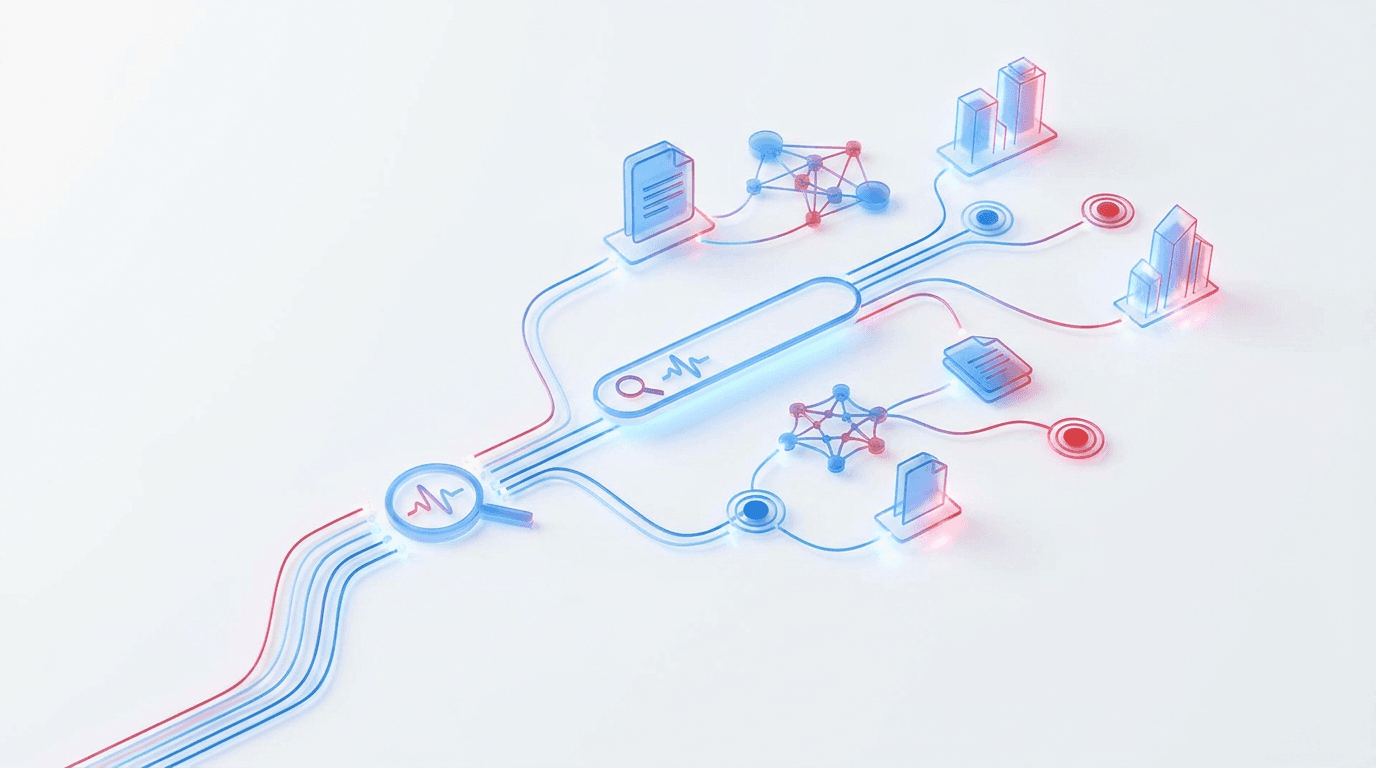
Google AI Mode and AI answer interfaces are changing the path from search query to website visit. CRE firms need content that agents can cite, parse, and trust.

The FactSet and Google partnership is a useful signal: financial agents will be most valuable when they sit close to trusted data, workflows, and reviewable decisions.

The next AI investment wave is not only model labs and software. It is power, land, data centers, industrial operations, and the real estate balance sheet underneath them.