
Corbis Intelligence
Research and Insights
Commercial real estate intelligence grounded in academic research, real economic data, and the agent systems behind Corbis and EQUIRE.
Search articles by title, content, or tags...

Commercial real estate intelligence grounded in academic research, real economic data, and the agent systems behind Corbis and EQUIRE.

Agentic Assets Research Team
Corbis Research
May 22, 2026
8 min read read
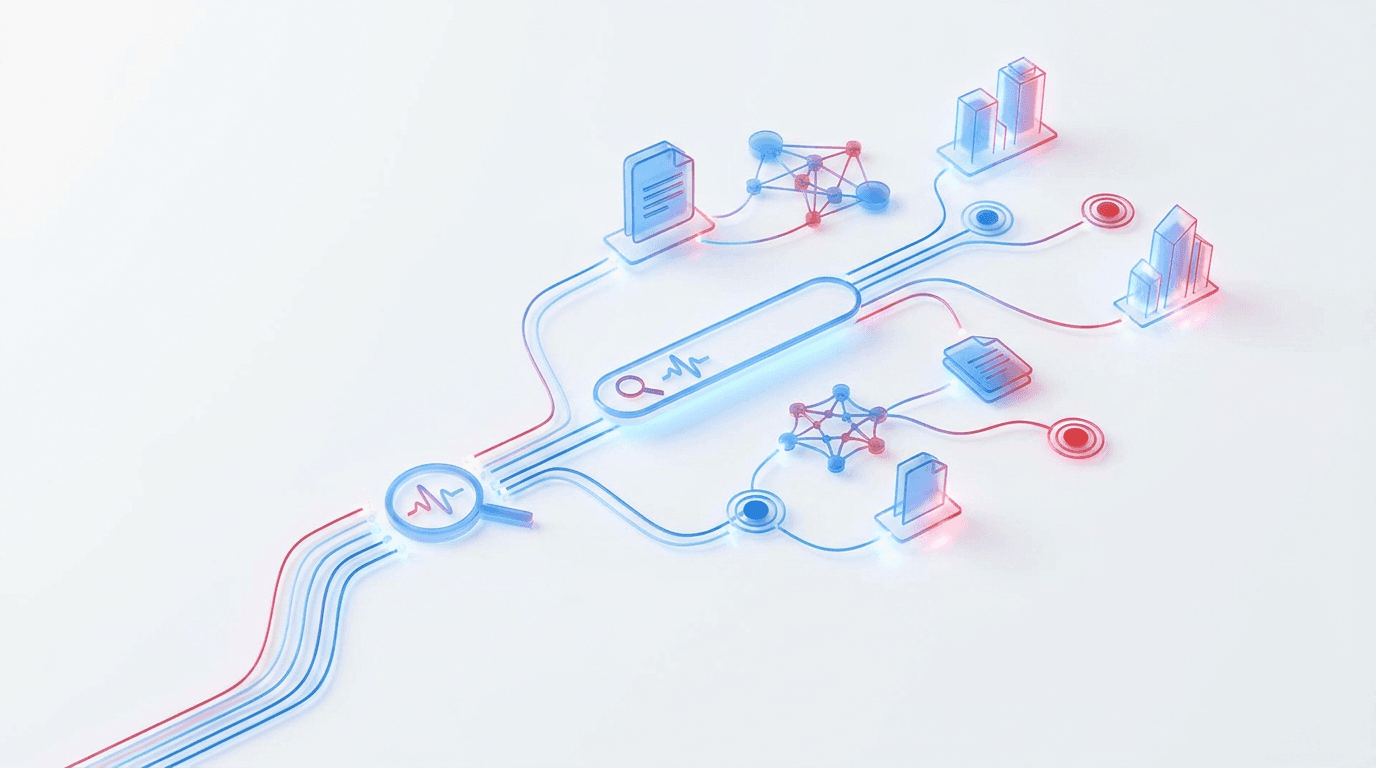
Search is becoming less like a list of links and more like a work session. Google's AI Mode announcement and the follow-up Google I/O update showed the direction clearly: users ask complex questions, add follow-ups, use multimodal inputs, and expect synthesized answers. For commercial real estate research and marketing, that changes the goal of publishing.
A traditional SEO article tries to rank for a query and earn a click. An agent-visible article must also be easy for AI systems to parse, cite, and summarize correctly. That means clear claims, dates, source links, schema-friendly structure, and topical authority. If the article makes a market claim, the source should be visible. If it discusses a product or regulation, the first mention should link to a primary source. If it covers a dated development, the date should be explicit.
CRE investors, lenders, and operators increasingly use AI systems to ask questions before they visit a site. They may ask which AI tools matter for property underwriting, how RAG reduces hallucination in investment memos, why AI affects office demand, or how structured appraisal data changes valuation. The answer engine may cite a page, summarize it, or use it as background context.
That does not make websites irrelevant. It makes source quality more important. A thin promotional page is less useful to an AI agent than a clear, source-backed explanation. A dated blog post with citations can become a durable reference point if it answers a specific question well.
Cloudflare's AI Labyrinth announcement highlighted the other side of the agentic web: crawlers, permissions, and content control. Publishers want discoverability, but they also want to protect their work from indiscriminate scraping. CRE firms face a similar tension. They want AI platforms to understand their expertise, but they do not want to hand over proprietary analysis without attribution or control.
The practical answer is not to hide from AI. It is to publish the right layer. Public articles should explain frameworks, cite sources, and demonstrate expertise. Proprietary datasets, client work, and underwriting files should remain permissioned. Agents should be allowed to discover public insight while private systems control sensitive information.
Good AI-search content still needs to be useful to humans. It should have a point of view, clean structure, and specific examples. But it should also include the things answer engines need: descriptive titles, concise summaries, entity names, dates, source links, and clear section headings. Avoid vague claims like AI will transform everything. Explain which workflow, which reader, which evidence, and which risk.
For Agentic Assets, the opportunity is clear. The market is searching for practical explanations of AI in CRE, finance, RAG, agents, valuation, and data provenance. The firms that publish precise, cited, dated material will be easier for both people and AI systems to find. In the AI Mode era, being cited may become as important as being clicked.
CRE content teams should assume that a future buyer may read the answer before the website. That does not make the website less important. It makes the page structure more important. AI systems need clear entities, dates, claims, and citations. A good article should make it easy to answer questions such as: what changed, who said it, when did it happen, what evidence supports it, and why does it matter for capital decisions?
Google's AI Mode direction also makes topical clusters more valuable. A single article on AI in real estate is less useful than a connected library covering valuation, RAG, agents, governance, data centers, financial stability, and appraisal evidence. Each post should answer a narrow question and link to primary sources. Over time, the archive becomes a machine-readable map of expertise. Cloudflare's AI Labyrinth is a useful counterpoint because it shows that discoverability and crawler control now have to be designed together.
The goal is not to trick search. The goal is to make good analysis easier to retrieve, cite, and trust.

Cloudflare's July 2026 agentic internet push highlights a new reality for CRE firms: AI systems are readers, crawlers, referrers, and potential customers of structured expertise.

The FactSet and Google partnership is a useful signal: financial agents will be most valuable when they sit close to trusted data, workflows, and reviewable decisions.
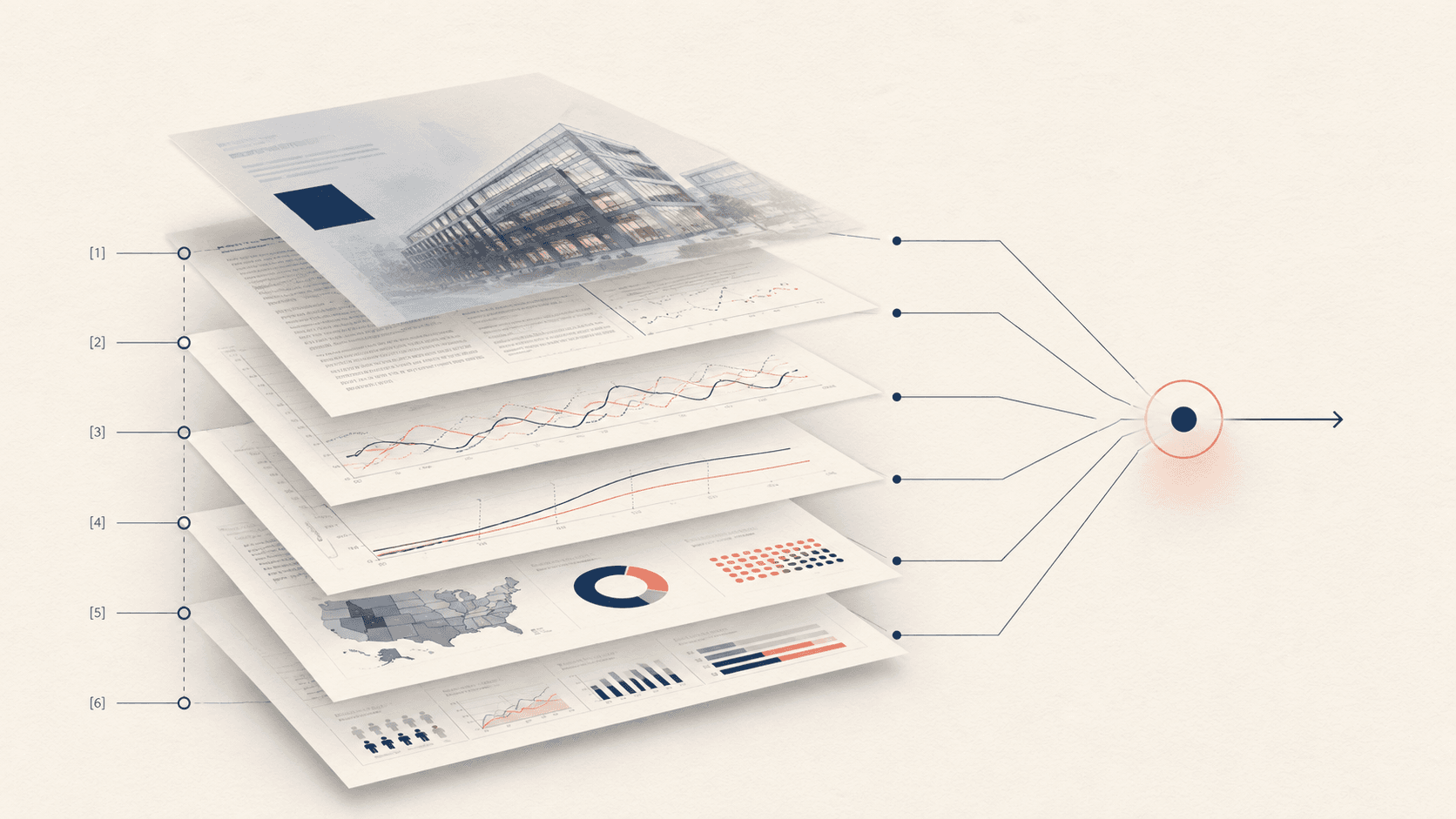
Brokerage decks are selective, backward-looking, and rarely sourced. Here is how grounding commercial real estate decisions in peer-reviewed research and real-time public data changes the picture, with citations you can verify.