
Corbis Intelligence
Research and Insights
Commercial real estate intelligence grounded in academic research, real economic data, and the agent systems behind Corbis and EQUIRE.
Search articles by title, content, or tags...

Commercial real estate intelligence grounded in academic research, real economic data, and the agent systems behind Corbis and EQUIRE.

Agentic Assets Research Team
Corbis Research
July 2, 2026
8 min read read
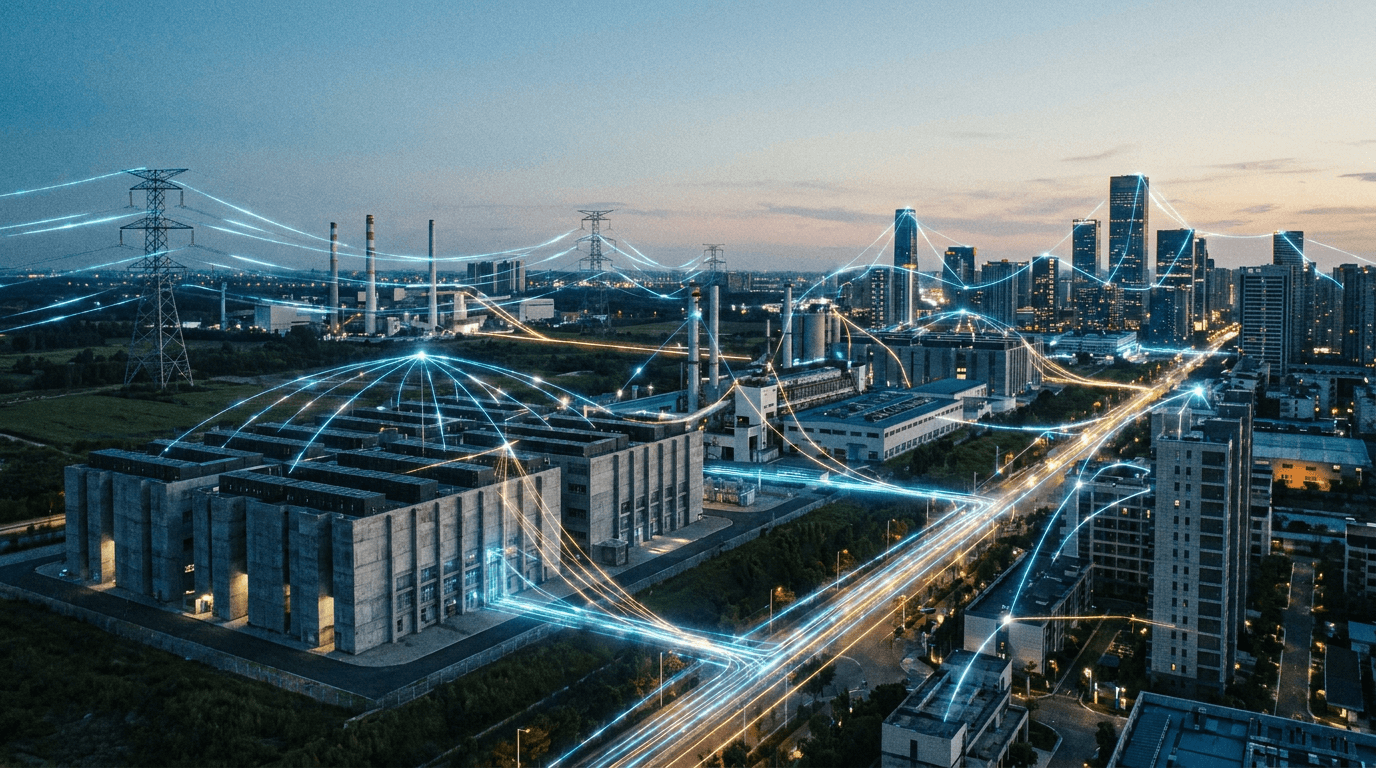
AI is often discussed as a software story, but the 2026 investment story is increasingly physical. A June 2026 Axios report on Goldman Sachs research described the next wave of AI deployment moving into factories, mines, utilities, energy systems, and other real-economy infrastructure. The same logic applies directly to commercial real estate.
Every AI model sits on a physical stack: data centers, power delivery, cooling systems, land, fiber, substations, grid interconnection, construction labor, and capital markets. As AI demand grows, these constraints become real estate constraints. The winners are not only software companies. They include markets, utilities, landlords, developers, and capital providers positioned around the infrastructure layer.
CBRE's 2025 U.S. Real Estate Market Outlook Midyear Review already highlighted the basic imbalance: data center demand was outpacing supply, preleasing was high in primary markets, and power delivery timelines constrained new development. By July 2026, that dynamic had become central to the AI real estate thesis.
For investors, data centers are not just an asset class. They are a signal. They show where digital demand collides with physical bottlenecks. A market with cheap land but delayed power may not clear. A market with grid capacity and fiber may attract tenants faster than traditional demographic models imply. Utility relationships, entitlement timelines, and interconnection queues become underwriting variables.
AI may reduce some white-collar space demand if firms need fewer workers for certain tasks. But it can also create demand for new teams, higher-quality collaborative space, and proximity to AI firms, finance, law, and technical talent. Recent reporting on Manhattan sublease absorption, including JLL data cited by the New York Post, suggests AI and technology firms can also be direct office-demand drivers in the right markets.
The mistake is to treat AI as one directional for every property type. It can be negative for some commodity office demand, positive for data centers and power-adjacent land, mixed for urban office, and important for industrial automation. The effect depends on the channel.
A better AI-era CRE model should integrate both digital and physical variables. For data centers, that means power, cooling, fiber, and permitting. For office, it means tenant exposure to automation, hiring mix, and AI-firm leasing. For industrial, it means robotics, logistics, energy intensity, and labor substitution. For capital markets, it means how quickly lenders and equity investors reprice these exposures.
The physical economy framing is useful because it moves the conversation beyond hype. AI does not float above real estate. It consumes infrastructure, changes firm behavior, and shifts demand across property types. CRE is where the AI economy signs leases, draws power, finances assets, and meets constraints.
AI infrastructure turns location analysis into an energy, water, fiber, and entitlement problem. A data center site is not only a parcel with access. It is a claim on grid capacity, transmission planning, cooling strategy, community tolerance, and long-term power economics. The 2026 research on concentrated AI data-center siting is especially relevant because it shows how regional clustering can create local power-system stress even when aggregate demand looks manageable.
That matters for CRE underwriting. A market with strong AI infrastructure demand may still be constrained if interconnection queues are long, utilities cannot forecast load, or communities resist development. Conversely, markets with diversified power systems and supportive permitting may become more valuable even if they are not traditional data-center hubs.
The AI real estate story is therefore not only about demand growth. It is about the quality, durability, and financeability of the physical constraints underneath that demand.

AI is not only changing office tasks. It is changing labor demand, capital expenditure, credit narratives, and the way real estate investors should think about stress tests.
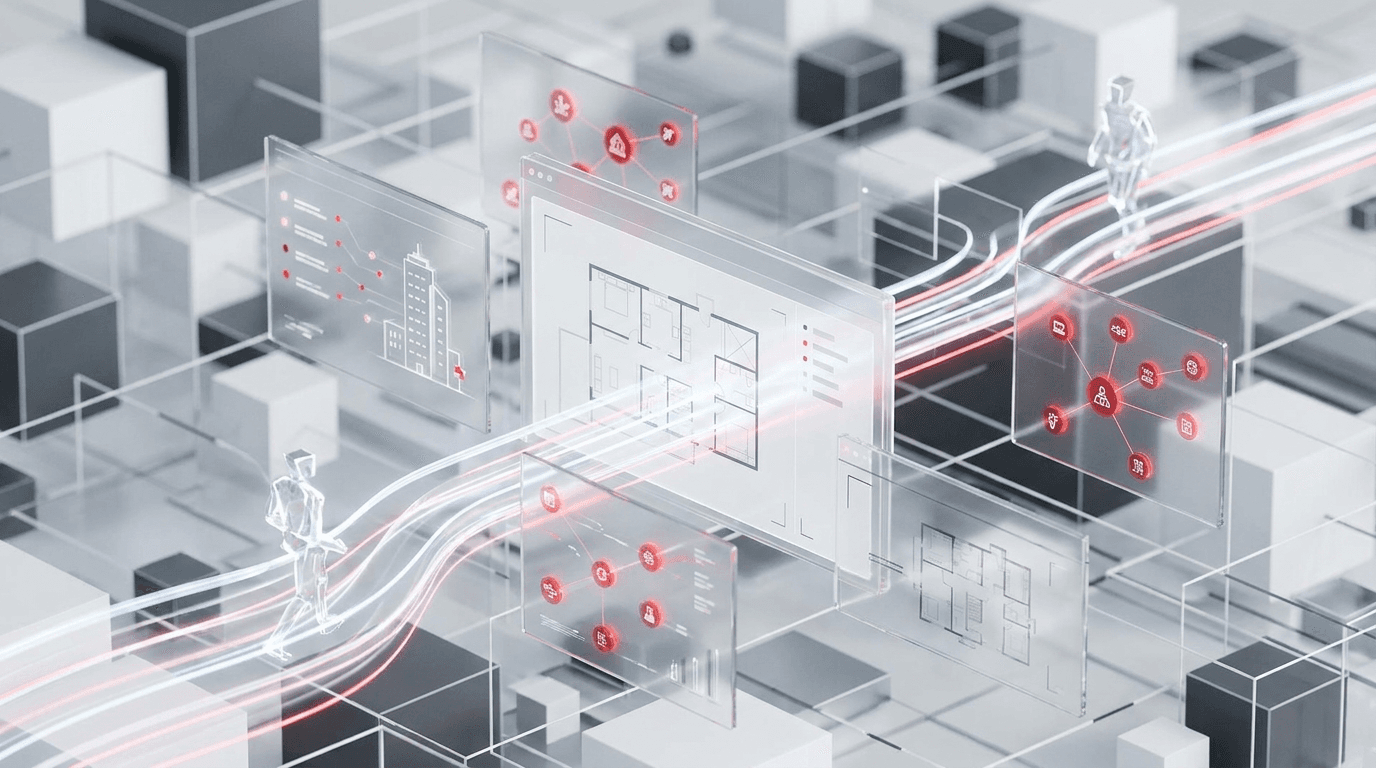
Cloudflare's July 2026 agentic internet push highlights a new reality for CRE firms: AI systems are readers, crawlers, referrers, and potential customers of structured expertise.

The FactSet and Google partnership is a useful signal: financial agents will be most valuable when they sit close to trusted data, workflows, and reviewable decisions.