
Retrieval‑Augmented Generation: Making AI Smarter, Faster, Safer

Agentic Assets Research Team
AI Solutions Architect
April 19, 2025
8 min read
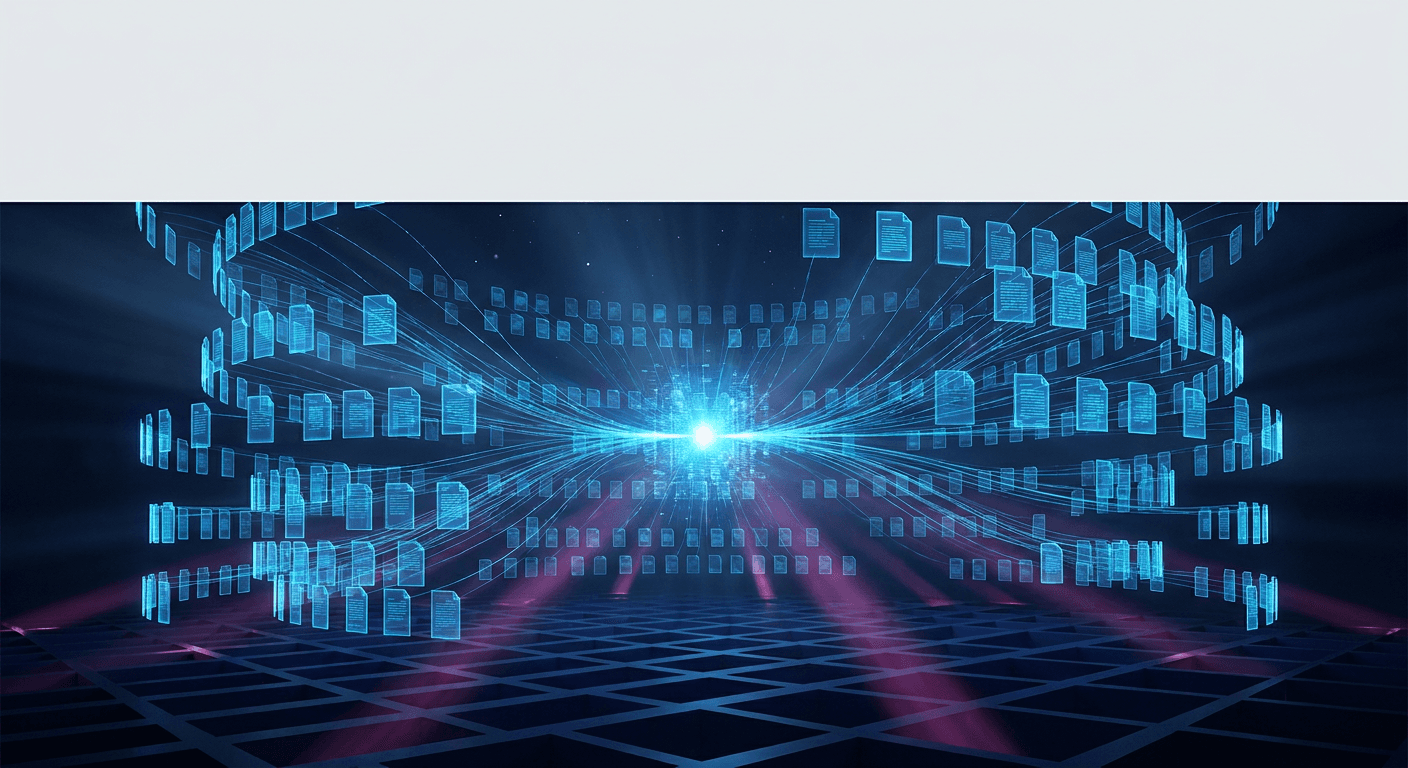
“Just ask GPT” is great, until it confidently lies. Retrieval‑Augmented Generation (RAG) fixes hallucinations by fetching source documents during inference. In the last 18 months RAG moved from hacky prototypes to battle‑tested enterprise pipelines that power everything from legal research to product‑support chatbots.
From Naïve to Agentic RAG
Aurimas Griciūnas describes three evolutionary stages:
- Naïve RAG. Single query → top‑k docs → answer. Fast but brittle.
- Iterative RAG. The model refines its own query based on initial snippets.
- Agentic RAG. A planner agent spawns search, filtering, and citation sub‑agents until confidence > 0.9, then composes the final answer.
Key Performance Metrics
Galileo AI recommends four KPIs:
- Ground‑truth overlap. Percentage of generated tokens supported by retrieved text.
- Context recall. Ratio of relevant tokens retrieved.
- Answer faithfulness. Semantic similarity between draft and refined answer.
- Latency per hop. User‑perceived delay as agents iterate.
The 2025 Toolchain
- Supabase MCP Server. Postgres + pgvector + Model Context Protocol simplifies unified memory.
- OpenAI Responses API. Built‑in web search and file search remove the need for custom tools.
- LangChain Code Node. Injects custom post‑processing logic (e.g., regex scrubbing) into n8n workflows.
Safety Layers
Implement a draft → critique → refine loop described in OpenAI’s Guide to Building LLM Agents. Critique agents flag unsupported claims before they reach the user.
Enterprise Case Studies
- Legal Research: Fortune 500 law firm cut paralegal hours by 70 % and added inline citations to every answer.
- Customer Support: E‑commerce platform raised first‑contact resolution to 88 % by surfacing policy snippets.
- Data Science: Biotech analysts query 30 years of journals without leaving Jupyter.
Building Your First RAG Pipeline in 30 Minutes
- Spin up Supabase MCP Server and create a pgvector index.
- Chunk documents with semantic splitting (≈ 300 tokens per chunk).
- Wire the Responses API search tool to fetch external web content when internal recall < 0.7.
- Monitor with Galileo’s dashboard; set alerts on hallucination spikes.
Common Pitfalls
- Over‑chunking: Splitting at fixed token counts can break context; base splits on headings or semantic boundaries.
- Vector drift: Re‑index docs periodically as embedding models improve.
- Latency bloat: Cap sub‑agent recursion depth to avoid 10‑second waits.
Future Directions
Industry adoption of the Model Context Protocol will make retrieval layers portable across vendors. Expect next‑gen embeddings to fuse text and structured tables, enabling RAG to answer spreadsheet questions without SQL.
Need hands‑on help? Agentic Assets designs, audits, and scales RAG systems for finance, healthcare, and real estate.
Sources
Share this article
Related Articles
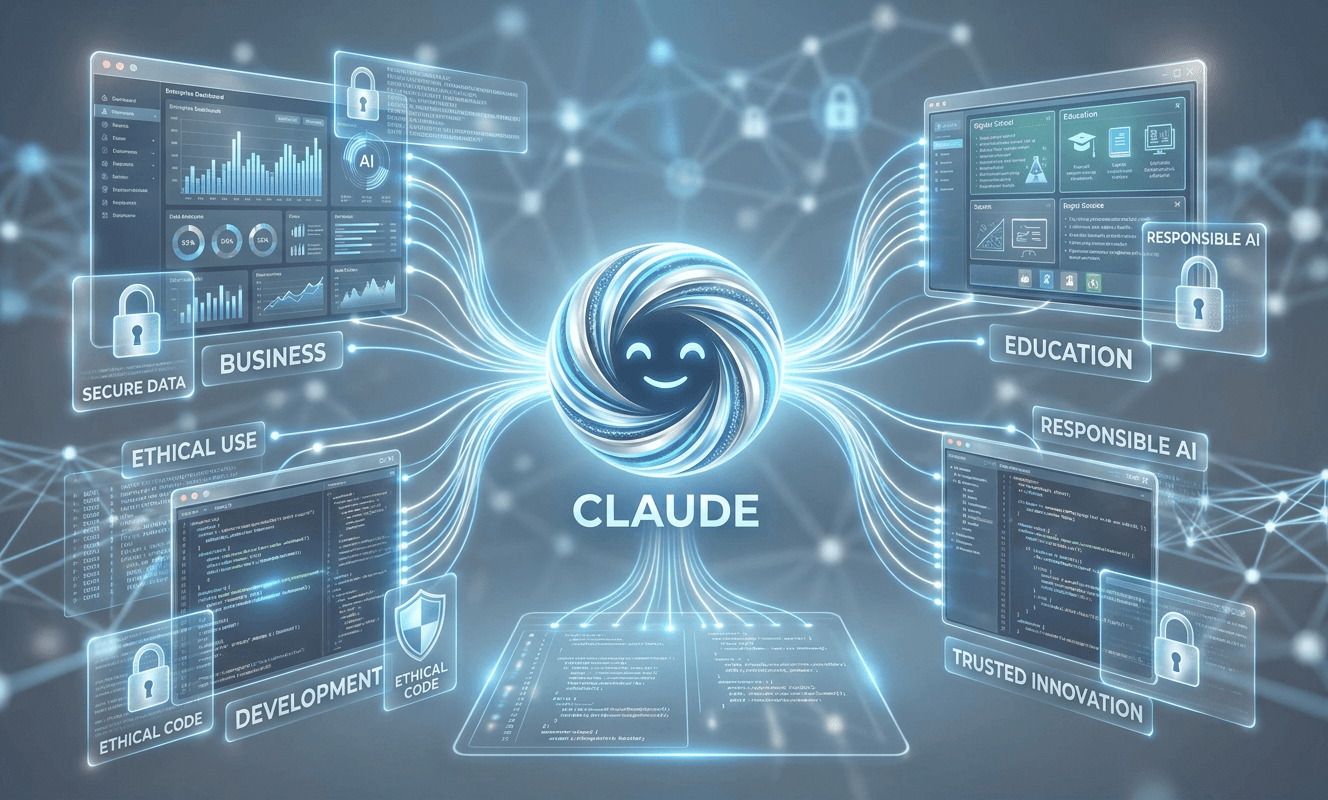
Claude by Anthropic: Breakthroughs in Responsible AI and Agent Innovation (2025)
Explore how Claude by Anthropic is leading innovation in AI agents with groundbreaking features, enterprise and education integrations, cutting-edge research, and a unique commitment to responsible AI development.
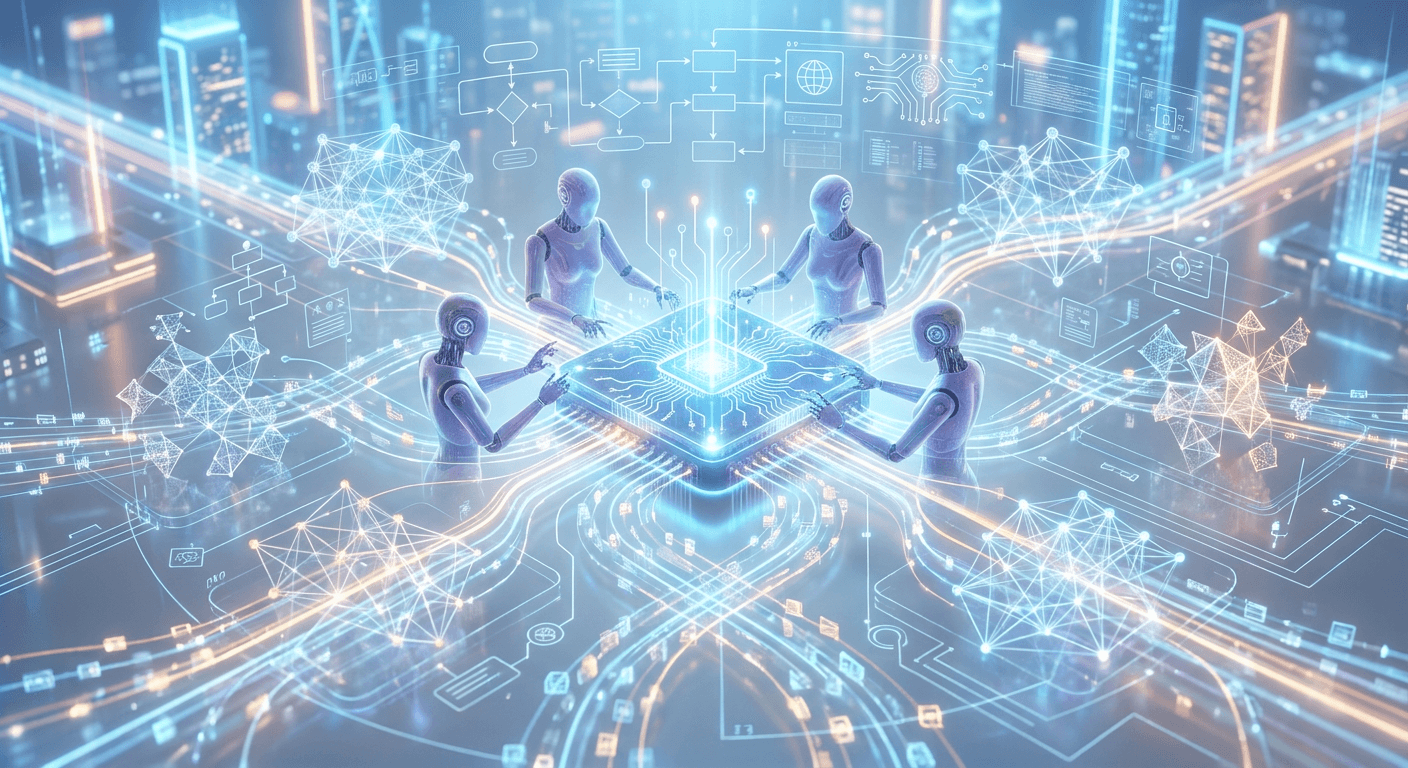
Retrieval-Augmented Generation (RAG) in 2025: Innovations, Architecture, Adoption, and Frameworks
Discover how Retrieval-Augmented Generation (RAG) is transforming enterprise AI in 2025, from agentic multi-agent architectures to critical framework choices, plus actionable insights for building scalable, future-ready solutions.
AI Agents in Commercial Real Estate: Proven Strategies, Case Studies, and the Road Ahead (2023–2025)
Discover how AI agents are disrupting commercial real estate, with real-world case studies, best practices for deployment, comparative analysis, and expert-backed strategies to future-proof your CRE business.